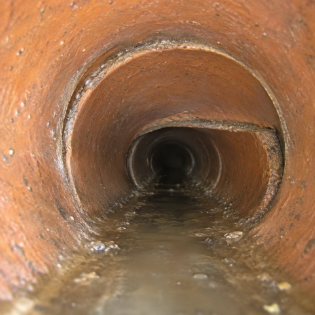
The sewer line carries wastewater from the home to the public sewer or septic system. Because it is buried, a standard home inspection cannot show its condition. A sewer scope gives you a view inside the accessible line before you buy.
A camera inspection can reveal root intrusion, blockages, cracked or damaged pipe, offset connections, and sections where water or waste may collect. These issues may not be obvious during a showing, and some can lead to backups or costly repairs after you move in.
Common issues a sewer scope may uncover
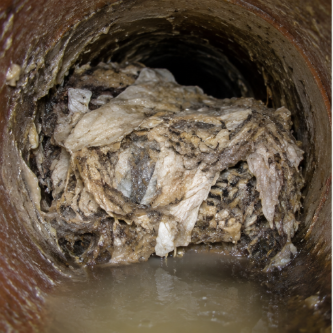
Clogs and buildup
Debris, grease, or scale can restrict flow and contribute to backups.
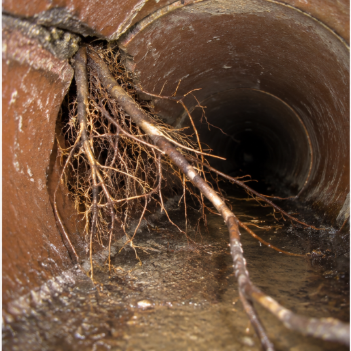
Root intrusion
Roots can enter joints or damaged areas, narrow the pipe, and interfere with drainage.
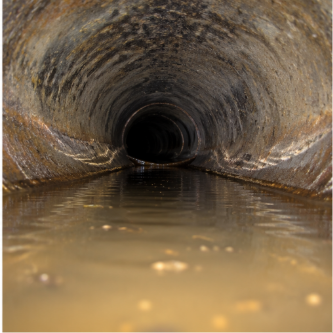
Bellied line
A low section of pipe can hold water and allow waste to collect.
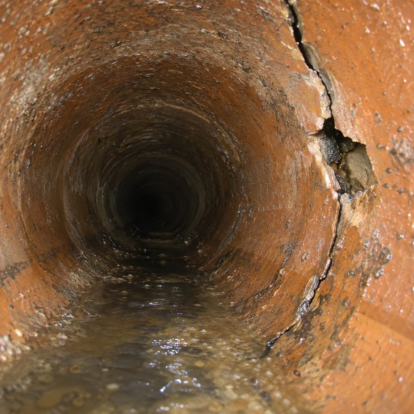
Cracked pipe
A crack may allow leakage or worsen over time.
Sewer line offset
A misaligned joint can catch debris and restrict flow.
Other findings may include a deteriorated pipe or a blockage that keeps the camera from reaching the end of the line. When visibility or access is limited, the report will explain what could not be inspected.
Why add it before closing?
Adding a sewer scope to your I-95 home inspection helps you make a more informed decision. If we find a concern, you can discuss the findings with an appropriate contractor and better understand the next steps before closing. If the line appears clear in the areas we can inspect, you gain useful information about a part of the home you otherwise would not see.
Ask I-95 Home Inspections to add a sewer scope when you schedule your inspection.